
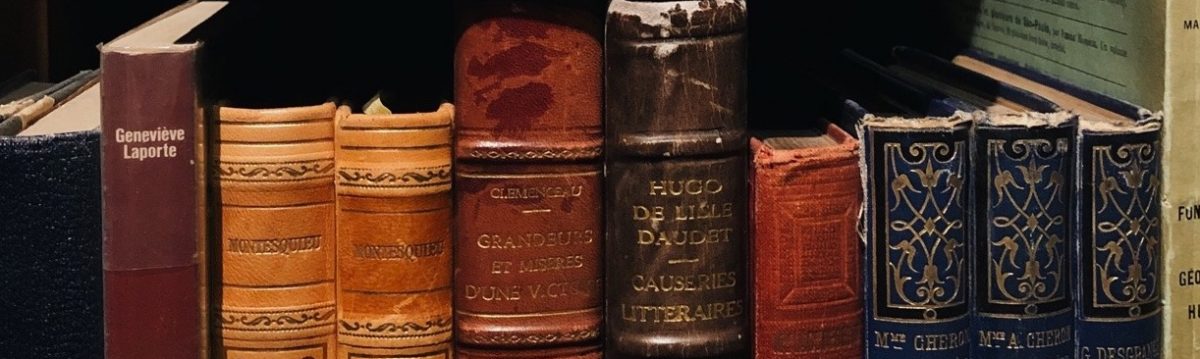
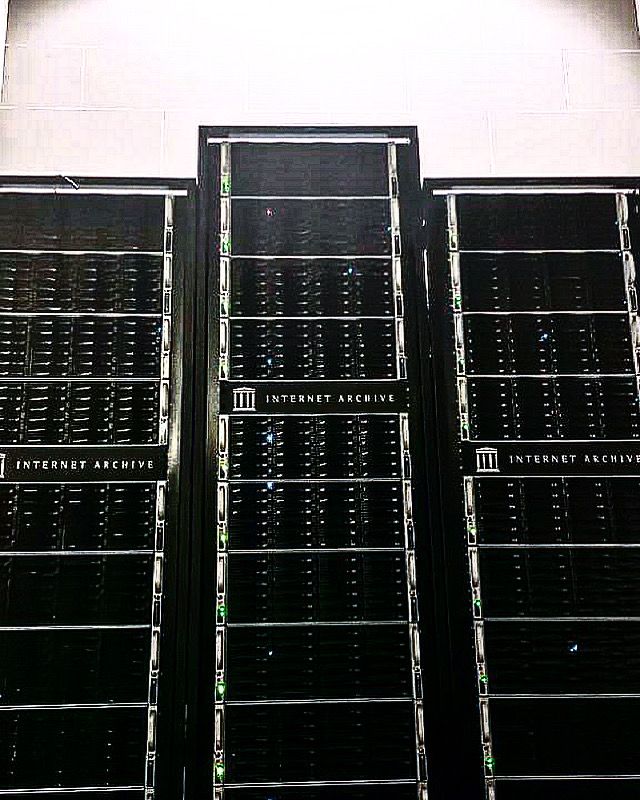
Libraries often lend lawfully acquired copies of works to enable access to scholarship, information, and knowledge, be it factual or fictional content. Internet Archive does nothing more than that. It lends lawfully acquired books to its users for a limited time and carefully employs DRM techniques to ensure that users do not reproduce or distribute these copies of the works. It is in fact more carefully curated than in-person libraries, which have no control over what the reader does when they issue the book. The mere fact that the Internet Archive operates on the web and lends digitally scanned copies of the book- does not make it any different from in-person libraries for the purpose of copyright law. In fact, any paranoia associated with it lending unfairly is dispelled once it is internalized that the number of copies lent at a time is equal to the number of copies of a book that the Archive physically owns.
Use by the Archive also satisfies the fair use factors provided under §107 of the Copyright Act, 1976. The purpose and character of the use of the books is completely non-commercial, without any intention of substituting the primary or the secondary market of the copyright owner. Internet Archive does not employ any advertisements and does not charge the user (i.e., people who lend the books). It is in fact not even a private commercial library, which is also a permissible enterprise– but a completely non-commercial one. The purpose and character of its use is also transformative as it specifically promotes purposes specifically mentioned in §107- facilitation of research and scholarship. (Cambridge University Press v. Becker). Further, CDL yields many public benefits in the form of access and enhancement of knowledge in a reasonable manner, (Google v. Oracle) which is a productive use and is desirable to further copyright’s purposive goal of encouraging learning and disseminating knowledge. Hence this factor weighs in favor of fair use.
On the nature of the work factor, the work that is being lent is already published, comprises of informational content (whether factual or fictional), and has a long-lasting market. Thus, this factor weighs in favor of fair use.
Although the Archive lends the full book, CDL ensures it is only temporarily available to the lendee and is only made available proportional to the number of copies owned by the Archive. It enables personal and research use, in a fair and limited manner, with adequate DRM protection to avoid perpetual storage. Thus, the temporality associated with lending, as well as the first sale, ensures that this factor weighs in favor of fair use.
Finally, on the effect of use on the market of the owner, Sony clearly established that merely because a potential licensing avenue is being thwarted does not mean that use is automatically unfair. Every permissible and in fact desirable use will, to an extent erode the potential licensing market of the publisher. As held in Google v. Oracle, if the purpose of that potential licensing loss is one of the purposes mentioned under Section 107 of the Copyright Act or provides benefits in the form of access to information and knowledge to the public, the said potential loss in licensing revenue through eBook licensing is permissible and within the scope of exemptions to copyright infringement, lest it shall pose a danger of circularity. Further, Internet Archive in no way attempts to substitute the market of the owners as the users only get limited access to the books, and if they need complete access, they will still need to buy/license directly from the owner.
Hence, all factors support the claim of Internet Archive that its use of the works, that it lawfully possesses as its own, is fair and permissible, i.e., not an infringement (an exemption- not an exception) under the Copyright Act of 1976.
 IP Musings